
Endpoint Telemetry Explained
Endpoint telemetry is the continuous collection, transmission, and analysis of data from endpoint devices such as laptops, desktops, servers, mobile devices, and virtual machines. This data provides security teams with detailed visibility into endpoint activities, enabling them to monitor system behavior, detect suspicious actions, investigate security incidents, and respond to cyber threats more effectively.
As organizations adopt remote work, cloud services, and hybrid IT environments, endpoints have become one of the largest attack surfaces. Endpoint telemetry helps organizations understand what is happening across every device by capturing real-time information about processes, users, applications, files, network connections, registry changes, and system events.
Unlike traditional antivirus solutions that primarily rely on signature-based detection, endpoint telemetry focuses on behavioral data. This allows security tools to identify both known and unknown threats, including advanced persistent threats (APTs), ransomware, insider threats, and fileless malware.
How Endpoint Telemetry Works
Endpoint telemetry is generated by security agents installed on endpoint devices. These agents continuously monitor system activity and collect security-relevant information without significantly impacting device performance.
The collected telemetry is securely transmitted to a centralized platform, such as an Endpoint Detection and Response (EDR), Extended Detection and Response (XDR), or Security Information and Event Management (SIEM) solution. Security platforms analyze the incoming data using threat intelligence, behavioral analytics, machine learning, and predefined detection rules to identify malicious activity.
When suspicious behavior is detected, security teams receive alerts that include detailed contextual information, allowing them to investigate incidents and respond quickly.
Types of Endpoint Telemetry Data
Endpoint telemetry may include:
- Process creation and termination events
- File creation, modification, deletion, and execution
- User login and authentication activity
- Command-line executions
- PowerShell and scripting activity
- Registry modifications
- Network connections and DNS requests
- USB device usage
- Installed software and system inventory
- Memory activity and process relationships
- Security policy changes
- System performance and health information
This comprehensive visibility helps analysts reconstruct attack timelines and understand attacker behavior.
Benefits of Endpoint Telemetry
Endpoint telemetry provides several security and operational advantages:
- Improves visibility across all managed endpoints
- Detects suspicious behavior before attacks escalate
- Accelerates threat investigation and incident response
- Supports threat hunting using historical endpoint data
- Identifies indicators of compromise (IOCs) and attacker techniques
- Reduces dwell time by enabling faster detection
- Enhances compliance through detailed security logs
- Supports forensic investigations with comprehensive event history
Organizations can also use telemetry to identify misconfigurations, unauthorized software installations, and policy violations.
Why Endpoint Telemetry Matters
Endpoint telemetry enables organizations to move beyond reactive security by providing continuous, real-time insight into endpoint behavior. With detailed visibility into user activity, system events, and application execution, security teams can detect threats earlier, investigate incidents faster, and make more informed about security decisions. As endpoints continue to be a primary target for cyberattacks, endpoint telemetry remains an essential capability for effective threat detection, incident response, and proactive cybersecurity.
Endpoint Telemetry in Modern Cybersecurity
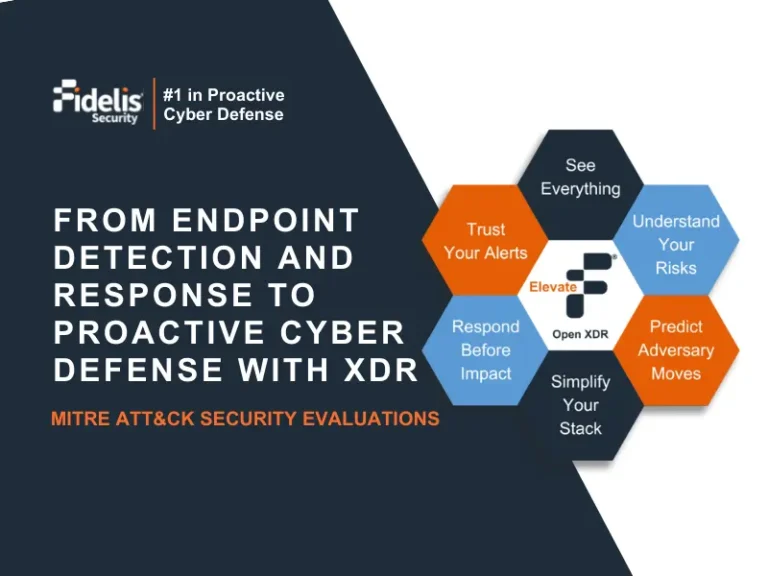
Endpoint telemetry serves as the foundation for many modern cybersecurity technologies. EDR platforms use telemetry to detect malicious behavior directly on endpoints, while XDR solutions correlate endpoint telemetry with data from networks, cloud workloads, email, and identity systems to provide broader threat visibility.
Security Operations Centers (SOCs) rely on endpoint telemetry to prioritize alerts, validate threats, automate investigations, and improve incident response workflows. Threat hunters also analyze telemetry to uncover hidden attacks that may bypass traditional security controls.
As cyber threats continue to evolve, organizations increasingly depend on high-quality endpoint telemetry to gain deeper visibility into endpoint activity and strengthen their overall security posture.
Endpoint Telemetry vs. Endpoint Monitoring
Although the terms are sometimes used interchangeably, endpoint telemetry and endpoint monitoring are not identical. Endpoint monitoring focuses on observing device health, availability, and operational performance, while endpoint telemetry captures detailed behavioral and security-related data. Monitoring answers whether a device is functioning properly, whereas telemetry explains what happened on the device and helps determine whether malicious activity occurred.
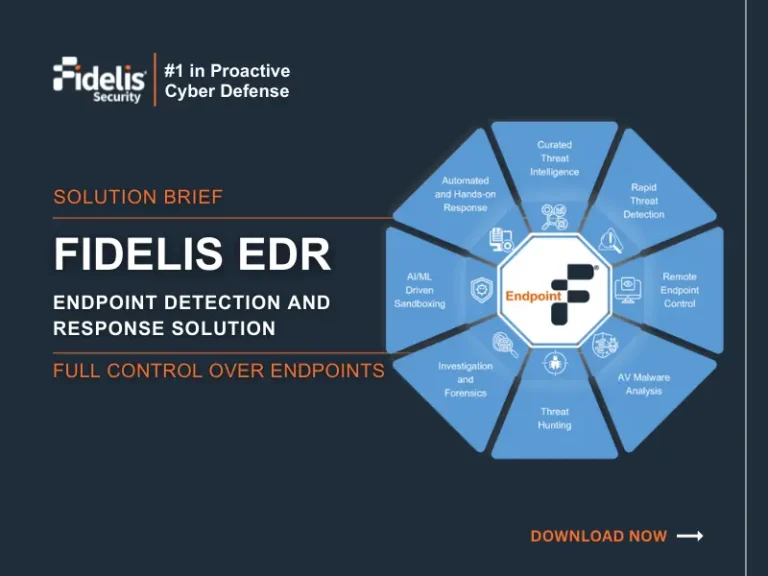
Fidelis EDR: Deep Visibility Across Managed and Unmanaged Endpoints
- Visibility and Detection
- Forensics, Response and Prevention
- Conduct Live Investigations
Related Cybersecurity Terms: