
Smarter cyberattacks need stronger defense. TDIR security helps detect and stop threats fast!
What does TDIR mean in cybersecurity?
Threat Detection, Investigation, and Response (TDIR) is a cybersecurity method for early threat detection, analysis, and prevention. It’s a continuous process of monitoring, understanding, and fixing issues before they turn into major attacks.
The interval between detection and reaction is filled by TDIR. TDIR finds threats early, uncovers their causes, and strengthens defenses instead of reacting after damage occurs.
1. Threat Detection: Spotting the Early Signs
The first step in TDIR is threat detection—finding suspicious activity in systems. Early detection is crucial as attacks can come from many sources.
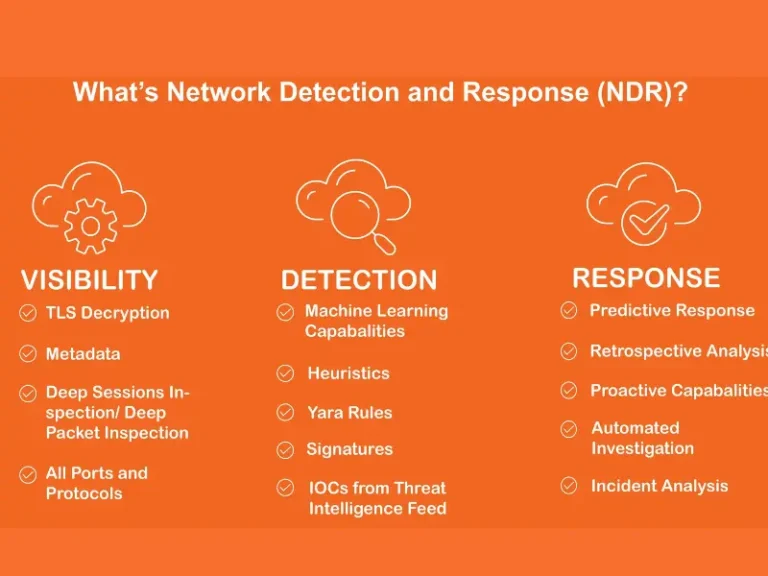
Technologies used in contemporary threat detection include:
- SIEM: Collects and analyzes data to find unusual activity.
- IDS: Watches network traffic for suspicious access.
- EDR: Detects threats on user devices.
- AI/ML: Spots patterns and predicts new attacks.
Threat detection is difficult; in order to identify genuine concerns, analysts must filter vast amounts of data. Experts and robust security tools make it quicker and simpler.
2. Threat Investigation: Understanding the What, Why, and How
The next step after finding a threat is investigation—learning what happened, how it occurred, and its impact. This phase guarantees that organizations respond using factual data rather than conjecture.
The investigation process includes:
- Analysis: Checking logs and user activity to find the threat’s source.
- Validation: Confirming if it’s a real threat or false alarm, often with AI help.
- Root Cause: Finding what weakness enabled the attack.
- Impact: Assessing which systems or data were affected.
Skilled experts and good tools help uncover and prevent future threats.
3. Threat Response: Acting Fast to Minimize Damage
Response, or acting quickly to contain, eliminate, and recover from a threat, is the last phase of TDIR. Fast response is vital to limit damage.
Typical response steps include:
- Containment: Isolate affected systems
- Eradication: Remove malware and fix vulnerabilities
- Recovery: Restore systems and resume operations
- Review: Learn from the incident to improve security
Automation tools now speed up these actions by isolating devices, updating firewalls, and alerting teams instantly.
Integrating TDIR into Business Operations
TDIR security is an ongoing process that should be part of daily business operations.
Here are the key steps for successful integration:
- Identify assets: Know which data and systems matter most
- Assess threats: Understand likely attacks for your business
- Create a plan: Define clear steps for detection, investigation, and response
- Train employees: Help teams recognize and report threats
- Use the right tools: Pick scalable, AI-based TDIR solutions
When implemented well, TDIR strengthens business resilience and ensures quick, smart responses to cyber incidents.
Why TDIR Security Matters More Than Ever?
Today’s cyber threats are complex and fast-changing. Attackers imitate real users, and cloud systems increase the risk.
Clear system visibility, threat severity ranking, and prompt, precise responses are all provided by TDIR security. Organizations can transition from reactive to proactive defense with its assistance.
TDIR helps businesses reduce attack impact and build a culture of continuous cybersecurity improvement.
Final Thoughts
TDIR—Threat Detection, Investigation, and Response—is a full framework that focuses on detection, investigation, and quick action against evolving threats.
A TDIR approach keeps your company ready and ahead of attackers. With the right tools and team, it turns defense proactive, protecting your data, systems, and reputation.