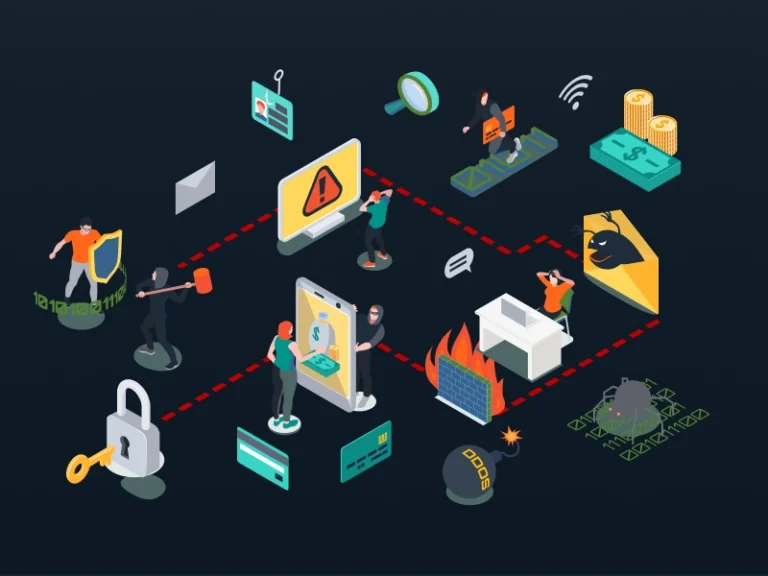

Cloud Workload Security Defined
Cloud workload security refers to the technologies and security practices used to protect workloads running in cloud environments, including virtual machines (VMs), containers, Kubernetes clusters, serverless functions, and cloud-hosted applications.
It helps organizations secure workloads against cyber threats, malware, vulnerabilities, misconfigurations, unauthorized access, and runtime attacks across public, private, hybrid, and multi-cloud infrastructures.
Modern cloud workload security solutions provide continuous monitoring, vulnerability management, runtime protection, threat detection, behavioral analytics, and automated response capabilities to secure workloads throughout their lifecycle.
Why Is Cloud Workload Security Important?
As businesses increasingly move applications and data to the cloud, workloads become major targets for cybercriminals. Traditional perimeter-based security tools often struggle to protect dynamic cloud environments where workloads constantly scale and change. Misconfigured cloud services, insecure APIs, excessive permissions, and vulnerable containers can all increase security risks.
Cloud workload security helps organizations reduce the risk of ransomware attacks, data breaches, insider threats, and unauthorized access while improving visibility across hybrid and multi-cloud environments. It also supports compliance requirements and enables faster threat detection and incident response.
How Cloud Workload Security Works
Cloud workload security solutions continuously monitor workloads, runtime behavior, user activities, cloud configurations, and network communications to identify vulnerabilities and suspicious activity in real time. The process usually begins with workload discovery, where security platforms identify cloud assets, containers, virtual machines, and applications across the environment. Workloads are then scanned for vulnerabilities, outdated software, insecure configurations, and exposed services.
During runtime, security tools monitor workload behavior to detect malware execution, unauthorized processes, privilege escalation, lateral movement, or abnormal network activity. Many solutions use machine learning, behavioral analytics, and threat intelligence to identify both known and unknown threats.When suspicious activity is detected, automated responses may isolate workloads, block malicious traffic, terminate suspicious processes, or generate alerts for security teams.
Common Cloud Workload Security Techniques
Cloud workload security platforms use several protection techniques, including vulnerability scanning, runtime security, container and Kubernetes protection, micro segmentation, identity and access management, and behavioral analytics. These capabilities help organizations secure workloads, reduce attack surfaces, and prevent attackers from moving laterally within cloud environments.
Types of Threats Cloud Workload Security Can Detect
Malware and Ransomware
Cloud workload security solutions can identify malicious software, ransomware activity, and suspicious file execution that may compromise cloud workloads or encrypt sensitive data.
Unauthorized Access Attempts
Security platforms monitor login activity, workload identities, and privileged accounts to detect unauthorized access, credential abuse, and suspicious authentication behavior.
Container and Kubernetes Attacks
Cloud workload security tools help detect container escape attacks, insecure container activity, Kubernetes misconfigurations, and malicious processes running inside containerized environments.
Privilege Escalation and Lateral Movement
Security solutions monitor workloads for unusual privilege changes, unauthorized administrative actions, and attacker movement across cloud systems after an initial compromise.
API Exploitation and Misconfigurations
Cloud workload security platforms can identify insecure APIs, exposed cloud services, excessive permissions, and configuration weaknesses that attackers may exploit.
Cryptojacking and Fileless Malware
Advanced detection capabilities help organizations identify cryptojacking activity, malicious scripts, and fileless malware attacks that often evade traditional security tools.
Best Practices for Effective Cloud Workload Security
-
Continuously Monitor Cloud Workloads
Organizations should continuously monitor workloads, runtime activity, user behavior, and cloud configurations to identify suspicious activity and emerging threats quickly. -
Perform Regular Vulnerability Scanning
Frequent vulnerability assessments help detect outdated software, missing patches, insecure libraries, and exposed services before attackers can exploit them. -
Apply Least-Privilege Access Controls
Limiting permissions and enforcing strong identity management reduces the risk of unauthorized access, insider threats, and privilege misuse. -
Secure Containers and Kubernetes Environments
Organizations should scan container images before deployment, secure Kubernetes clusters, and monitor runtime behavior to reduce container-related security risks. -
Automate Threat Detection and Response
Automation helps security teams respond faster to incidents by isolating workloads, blocking malicious activity, and reducing manual investigation efforts. -
Use Threat Intelligence and Behavioral Analytics
Integrating threat intelligence feeds and behavioral analytics improves visibility into advanced threats, suspicious behavior, and emerging attack techniques across cloud environments.
Related Cybersecurity Terms: