What is Cloud Workload Protection (CWP)?
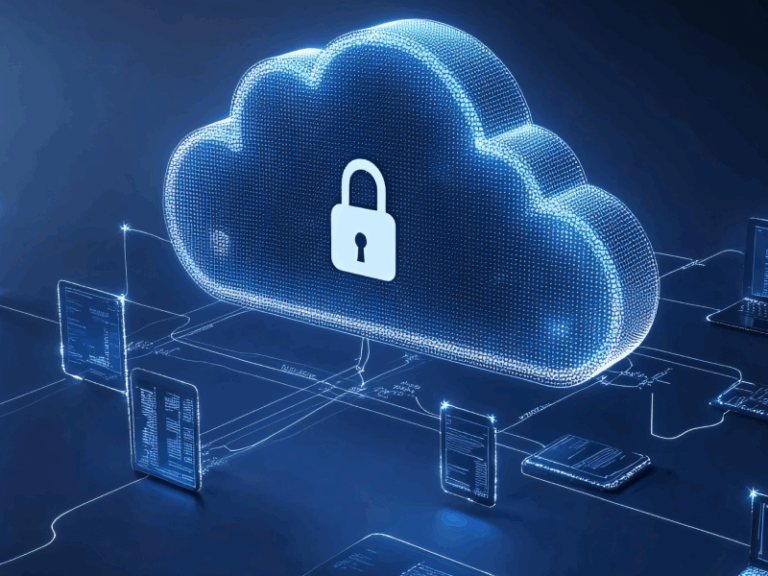
Cloud Workload Protection (CWP) is a cybersecurity approach designed to secure workloads running in cloud environments such as virtual machines, containers, Kubernetes clusters, and serverless applications. It provides continuous visibility, threat detection, and security enforcement across dynamic cloud infrastructures.
Unlike traditional perimeter-based security, CWP focuses on protecting the workload itself, ensuring that applications, services, and compute instances remain secure throughout their lifecycle, from deployment to runtime.
Why Cloud Workload Protection Matters?
Modern cloud environments are highly dynamic. Workloads are constantly created, scaled, updated, and destroyed. This flexibility improves agility but also increases security risk.
Common threats include:
- Misconfigured cloud resources exposing sensitive data
- Exploited vulnerabilities in running applications
- Unauthorized access to workloads and APIs
- Malware execution inside containers or virtual machines
- Lateral movement across cloud services and environments
Without continuous monitoring, attackers can exploit these gaps quickly and silently.
Cloud Workload Protection helps organizations reduce these risks by providing real-time detection and response capabilities across cloud environments.
How Cloud Workload Protection Works
CWP operates by continuously monitoring workloads and analyzing their behavior for anomalies and threats. It typically combines multiple security techniques:
- Agent-based or agentless workload monitoring
- Runtime behavior analysis and anomaly detection
- Vulnerability scanning for workloads and images
- Cloud API integration for visibility and control
- Threat intelligence correlation for known attack patterns
It secures workloads across:
- Virtual machines (VMs)
- Containers and Kubernetes environments
- Serverless functions
- Hybrid and multi-cloud infrastructures
Key Capabilities of Cloud Workload Protection
Cloud Workload Protection provides several critical capabilities that strengthen cloud security posture:
-
Runtime Threat Detection:
Identifies active attacks, suspicious processes, and unauthorized behavior inside workloads. -
Vulnerability Management:
Continuously scans workloads for known vulnerabilities and prioritizes critical risks. -
Configuration Security:
Detects misconfigurations that may expose workloads to external or internal threats. -
Malware Protection:
Detects and blocks malicious code execution within cloud workloads. -
Compliance Monitoring:
Ensures workloads adhere to security standards and regulatory requirements.
Types of Cloud Workload Protection
CWP can be implemented in different models:
-
Agent-Based CWP:
Uses lightweight agents installed directly on workloads for deep inspection and control. -
Agentless CWP:
Relies on cloud provider APIs to monitor workloads without installing software. -
Hybrid CWP:
Combines both approaches for broader visibility and stronger detection capabilities.
Cloud Workload Protection vs Traditional Security
Traditional security focuses on protecting the network perimeter. In contrast, CWP focuses on securing workloads inside cloud environments. This shift is critical because modern cloud workloads operate outside fixed perimeters, often across multiple clouds and distributed systems.
Common Use Cases
Cloud Workload Protection is widely used in modern enterprises for:
- Securing Kubernetes and containerized applications
- Protecting multi-cloud and hybrid cloud workloads
- Monitoring serverless applications in real time
- Detecting runtime attacks and exploitation attempts
- Supporting compliance in regulated industries
- Securing CI/CD pipelines and cloud-native applications
Challenges of Cloud Workload Protection
While CWP significantly improves security, organizations may face challenges such as:
- High volume of alerts and telemetry data
- Complexity in managing multi-cloud environments
- Continuous need for policy tuning and updates
- Integration challenges with existing security tools
- Performance overhead in agent-based deployments
Best Practices
To maximize effectiveness, organizations should:
- Continuously monitor workloads in real time
- Secure workloads from build to runtime
- Apply least-privilege access controls
- Automate vulnerability remediation
- Integrate CWP with SIEM and XDR platforms
- Maintain consistent security policies across environments
Frequently Ask Questions
Is Cloud Workload Protection necessary for cloud environments?
Yes. It is essential for securing dynamic and distributed cloud workloads.
Does CWP replace other security tools?
No. It complements existing security systems by focusing on workload-level protection.
Can CWP detect active threats?
Yes. It is designed to detect and respond to real-time attacks inside workloads.
Is CWP only for large organizations?
No. It is scalable and suitable for businesses of all sizes.
Related Cybersecurity Terms: