
Data Leakage Defined
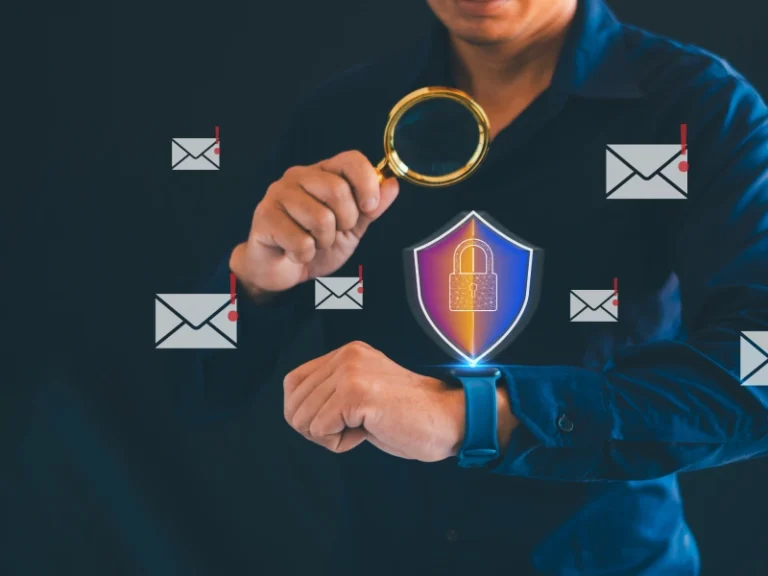
Data leakage is the unauthorized exposure, transmission, or accidental disclosure of sensitive information to individuals, systems, or locations that should not have access to it. Unlike intentional data theft, data leakage often occurs due to human error, weak security controls, misconfigurations, or insecure processes.
Sensitive information exposed through data leakage may include customer records, financial information, intellectual property, credentials, healthcare data, or confidential business documents. Data leakage can occur through email, cloud storage, endpoints, collaboration platforms, removable devices, or poorly secured applications.
Why Data Leakage Matters
Modern organizations generate and store massive amounts of sensitive information across cloud, on-premises, and hybrid environments. As data moves across systems and users, the risk of unintended exposure increases significantly.
Data leakage can result in financial losses, regulatory penalties, operational disruptions, reputational damage, and loss of customer trust. Because of this, preventing data leakage has become a critical component of cybersecurity and risk management strategies.
How Data Leakage Happens
Data leakage occurs when sensitive information moves outside authorized boundaries without proper control or visibility. This can happen due to employee mistakes, misconfigured cloud environments, insecure file sharing, weak access management, lost devices, insider threats, or compromised applications. In many cases, organizations do not realize data exposure has occurred until after information has already been shared, downloaded, or accessed by unauthorized parties.
Types of Data Leakage
Data leakage can occur through multiple channels depending on business processes, technologies, and user behavior.
- Email Data Leakage involves sensitive information being accidentally or intentionally shared through unauthorized email communication.
- Cloud Data Leakage occurs when cloud storage, sharing permissions, or configurations expose information to unintended users.
- Endpoint Data Leakage happens through laptops, mobile devices, removable storage, or local file systems that store sensitive information.
- Application Data Leakage results from insecure applications, APIs, or software vulnerabilities that expose protected data.
- Insider Data Leakage occurs when employees, contractors, or trusted users unintentionally or deliberately expose sensitive information.
Data Leakage vs. Data Breach
Data leakage and data breaches are related but different concepts. Data leakage is commonly accidental and results from mistakes, poor controls, or misconfigurations. A data breach usually involves deliberate unauthorized access by attackers.
While not all leakage incidents become breached, exposed information often creates opportunities for larger security incidents.
Key Benefits of Preventing Data Leakage
Preventing data leakage helps organizations strengthen security while maintaining greater control over sensitive information. Effective controls improve visibility where critical data resides, how it moves, and who can access it.
Organizations that reduce data leakage risks often experience stronger compliance outcomes, lower insider risk, improved customer confidence, and better protection of business-critical information.
Common Use Cases for Data Leakage Prevention
Organizations implement data leakage prevention measures to protect customer information, financial records, healthcare data, intellectual property, and confidential business assets. These controls are particularly important in cloud environments, remote work settings, and highly regulated industries where sensitive information moves frequently between systems and users.
Challenges of Preventing Data Leakage
Preventing data leakage can be difficult because organizations often struggle to identify where sensitive information exists and how it moves across environments. Large volumes of unstructured data, complex cloud deployments, third-party integrations, and evolving user behavior create additional challenges. Maintaining visibility while balancing security and productivity also remains a common concern for many organizations.
Best Practices
A strong data leakage prevention strategy begins with understanding what data needs protection and where it resides. Organizations should classify sensitive information, enforce least-privilege access controls, encrypt important data, and continuously monitor user activity. Regular permission reviews, employee awareness training, secure cloud configurations, and ongoing audits further reduce exposure risks and improve security posture.
Frequently Asked Questions
Is data leakage always malicious?
No. Many data leakage incidents occur accidentally because of human error, weak processes, or technology misconfigurations.
What is the difference between data leakage and data loss?
Data leakage refers to unauthorized exposure of information, while data loss means data becomes unavailable, deleted, or destroyed.
Can encryption prevent data leakage?
Encryption reduces exposure risks significantly, but it should be combined with monitoring, access controls, and security policies.
How do organizations detect data leakage?
Organizations typically use monitoring tools, data loss prevention solutions, logging systems, and behavioral analytics to identify suspicious activity or unauthorized data movement.