Passwords alone are no longer enough to protect your data, devices, and systems. Hackers can steal them through:
- Phishing attacks
- Brute-force attacks
- Data breaches
Here comes MFA!
MFA stands for Multi-Factor Authentication. How does MFA work?
- MFA uses more than just a password to verify identity
- Adds extra security, making it harder for hackers to get in
What is MFA in Cyber Security?
MFA in cyber security mainly protects logins. Even if a password is stolen, hackers can’t get in without extra verification.
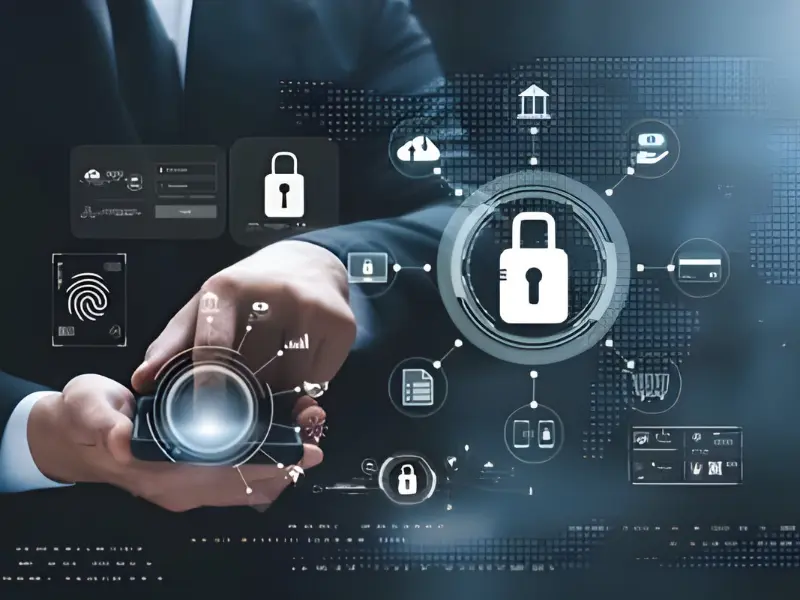
MFA typically uses three main types of factors:
- Something you know – a password, PIN, or security question
- Something you have – a phone, security token, or access card
- Something you are – biometrics like fingerprint, face, or voice
What is the Objective of Using Multi-Factor Authentication?
The perks of using multi-factor authentication are many. Along with stopping unauthorized access, it also provides:
- Stops identity theft and unauthorized logins
- Adds extra protection to important accounts like banking, email, and business apps
- Helps industries such as finance and healthcare follow security rules
- Building user confidence by showing their data is secure
Why MFA Matters Today?
Cyberattacks are increasing, making MFA essential. Many platforms, from cloud services to social media, recommend or require MFA. It also significantly improves account security.
Implementing multi-factor authentication is comparatively simple, but the results are:
- Better protection
- Stronger trust, and
- Reduced risks in an increasingly connected world.